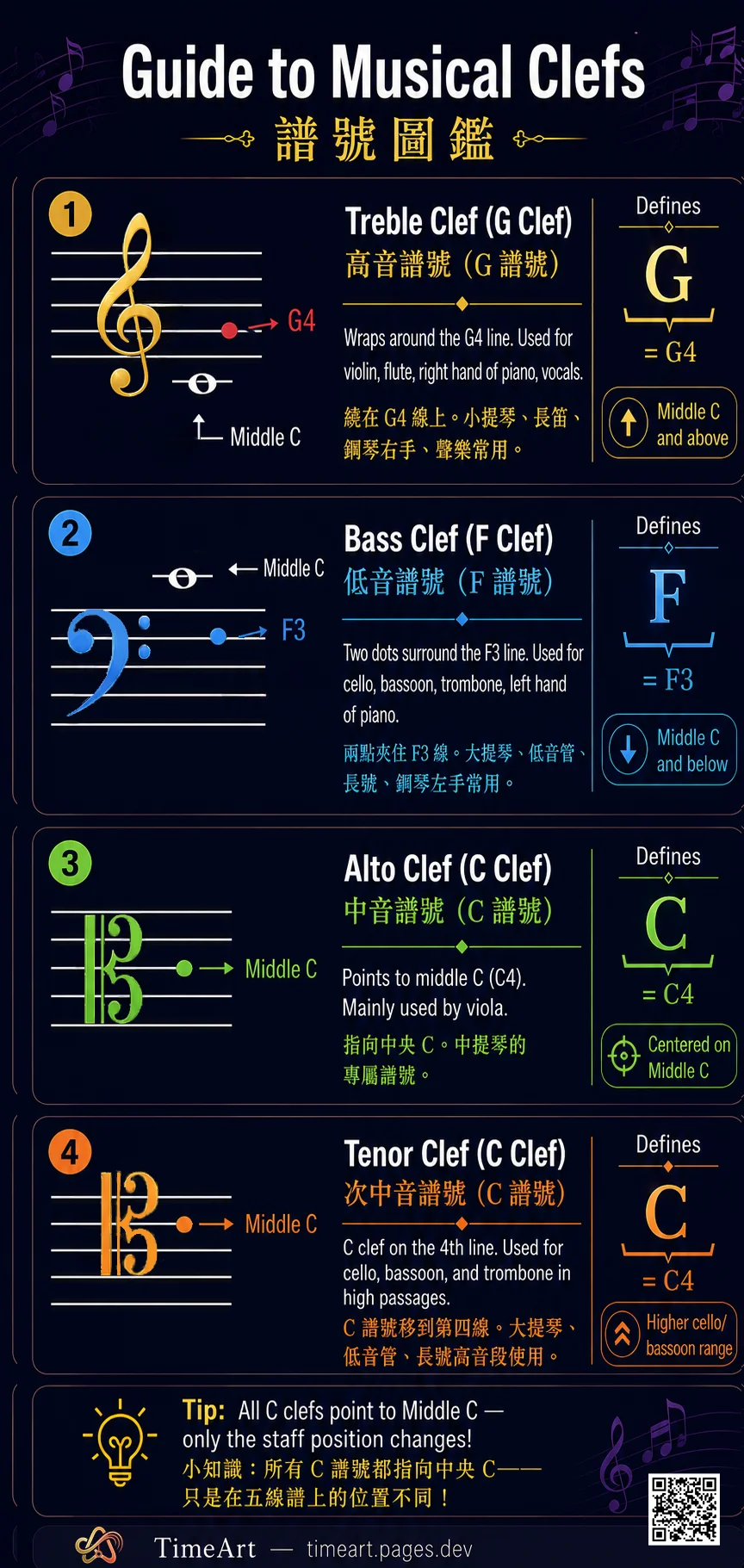
A clef determines what pitch each line and space on the staff represents. Different instruments use different clefs, but they all share the same Middle C.
The Four Common Clefs
| Clef | Also Known As | Defines | Common Instruments |
|---|---|---|---|
| Treble Clef | G Clef | G4 (line 2) | Violin, flute, piano RH |
| Bass Clef | F Clef | F3 (line 4) | Cello, bassoon, piano LH |
| Alto Clef | C Clef | C4 (line 3) | Viola |
| Tenor Clef | C Clef | C4 (line 4) | Cello upper range, trombone |
Where Is Middle C?
Regardless of the clef, Middle C (C4) is always the same pitch. In treble clef it sits on a ledger line below; in bass clef on a ledger line above; in alto clef right on the middle line (line 3).
Full guide: which piano key it is, and why some software calls it C3 →
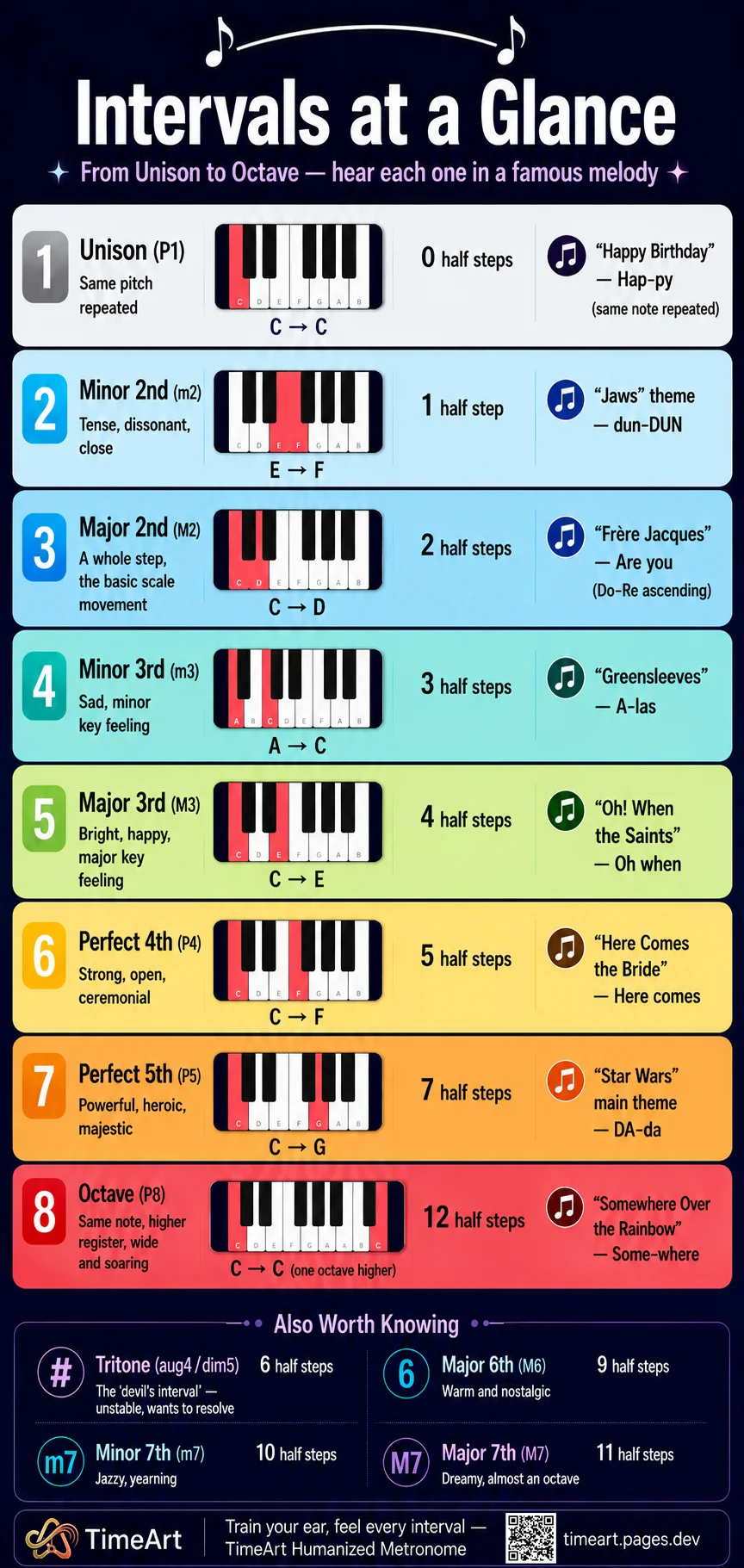
An interval is the "distance" between two notes, measured in semitones. Mastering intervals is the first step toward understanding chords, melody, and harmony.
The 12 Basic Intervals
| Name | Semi | Example | Sound |
|---|---|---|---|
| Perfect Unison (P1) | 0 | C → C | Identical |
| Minor 2nd (m2) | 1 | E → F | Tense |
| Major 2nd (M2) | 2 | C → D | One whole step |
| Minor 3rd (m3) | 3 | A → C | Minor feel |
| Major 3rd (M3) | 4 | C → E | Major feel |
| Perfect 4th (P4) | 5 | C → F | Open, stable |
| Tritone (A4/d5) | 6 | C → F# | Unstable |
| Perfect 5th (P5) | 7 | C → G | Hollow, consonant |
| Major 6th (M6) | 9 | C → A | Warm, sweet |
| Minor 7th (m7) | 10 | C → Bb | Bluesy |
| Major 7th (M7) | 11 | C → B | Sharp tension |
| Perfect Octave (P8) | 12 | C → C' | Same, higher |
Quick Memory Tips
Perfect intervals (P1, P4, P5, P8) sound the most stable. Major intervals (M2, M3, M6, M7) sound bright. Minor intervals (m2, m3, m7) are a half step narrower — darker in character. The tritone sits right in the middle — medieval musicians called it the "devil's interval."
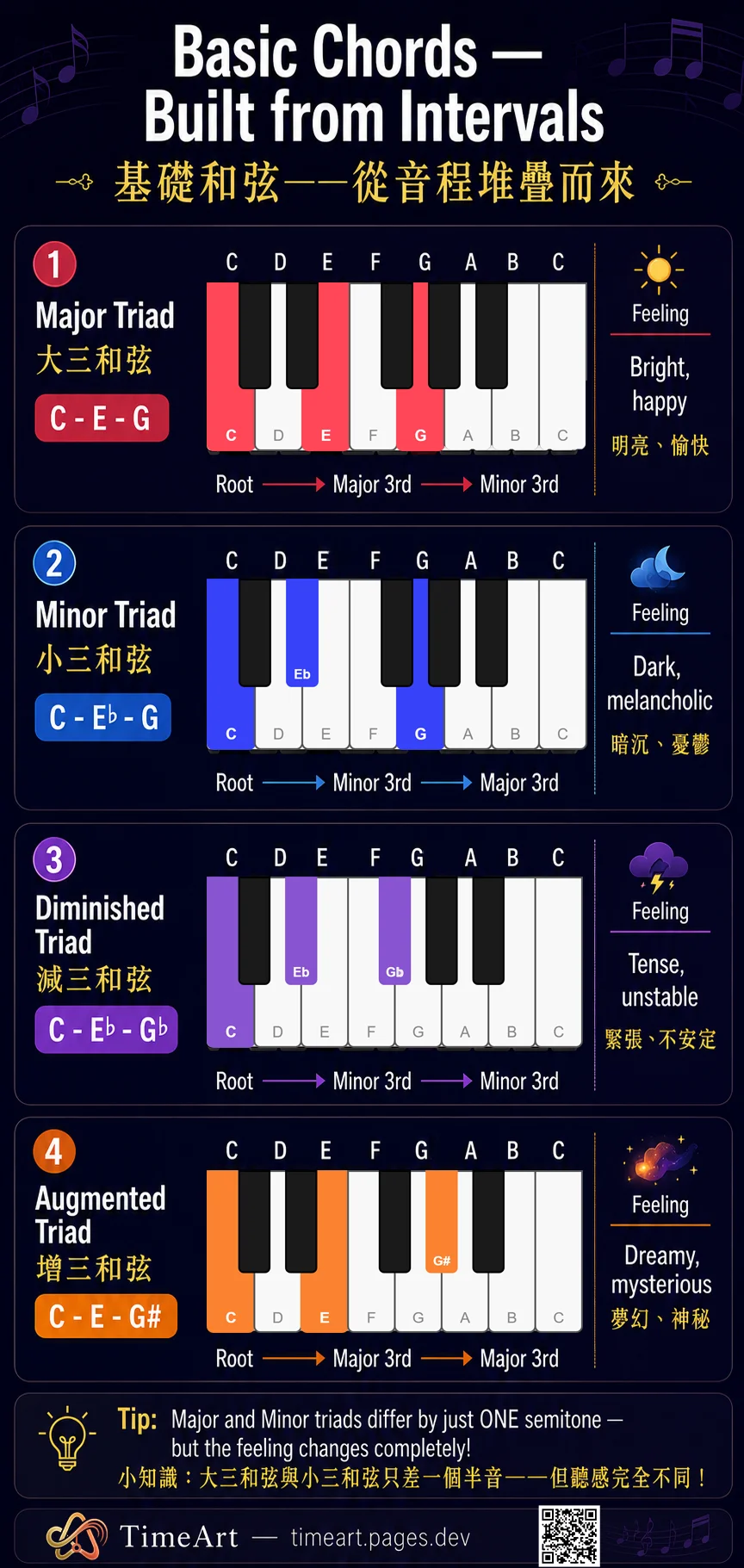
A chord is three or more notes sounding together. The most basic triads are built from a root, a third, and a fifth — different third combinations create different colors.
The Four Triads
| Chord | Notes | Structure | Character |
|---|---|---|---|
| Major | C - E - G | M3 + m3 | Bright, stable |
| Minor | C - Eb - G | m3 + M3 | Soft, sad |
| Diminished | C - Eb - Gb | m3 + m3 | Tense, unstable |
| Augmented | C - E - G# | M3 + M3 | Dreamy, floating |
Major vs Minor: Just One Note Apart
C major is C-E-G; lower E by a half step to Eb and you get C minor (C-Eb-G). That single semitone is the line between "happy" and "sad."
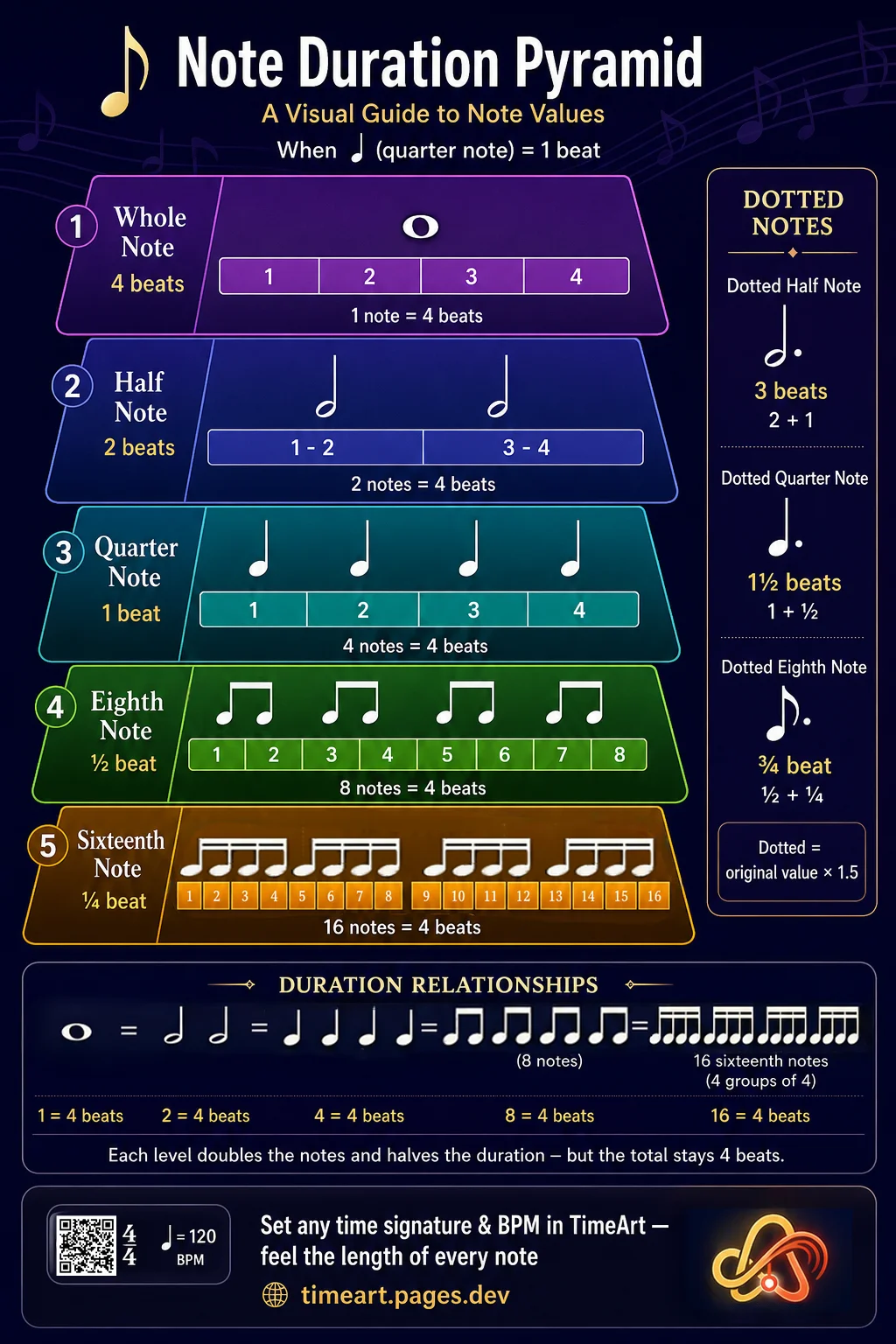
Note duration determines rhythm. From whole notes to sixteenth notes, each level halves the duration while keeping the total beats the same.
The Dot Rule
Adding a dot to a note makes it 1.5 times its original value. Dotted half note = 3 beats, dotted quarter = 1.5 beats, dotted eighth = 3/4 beat.
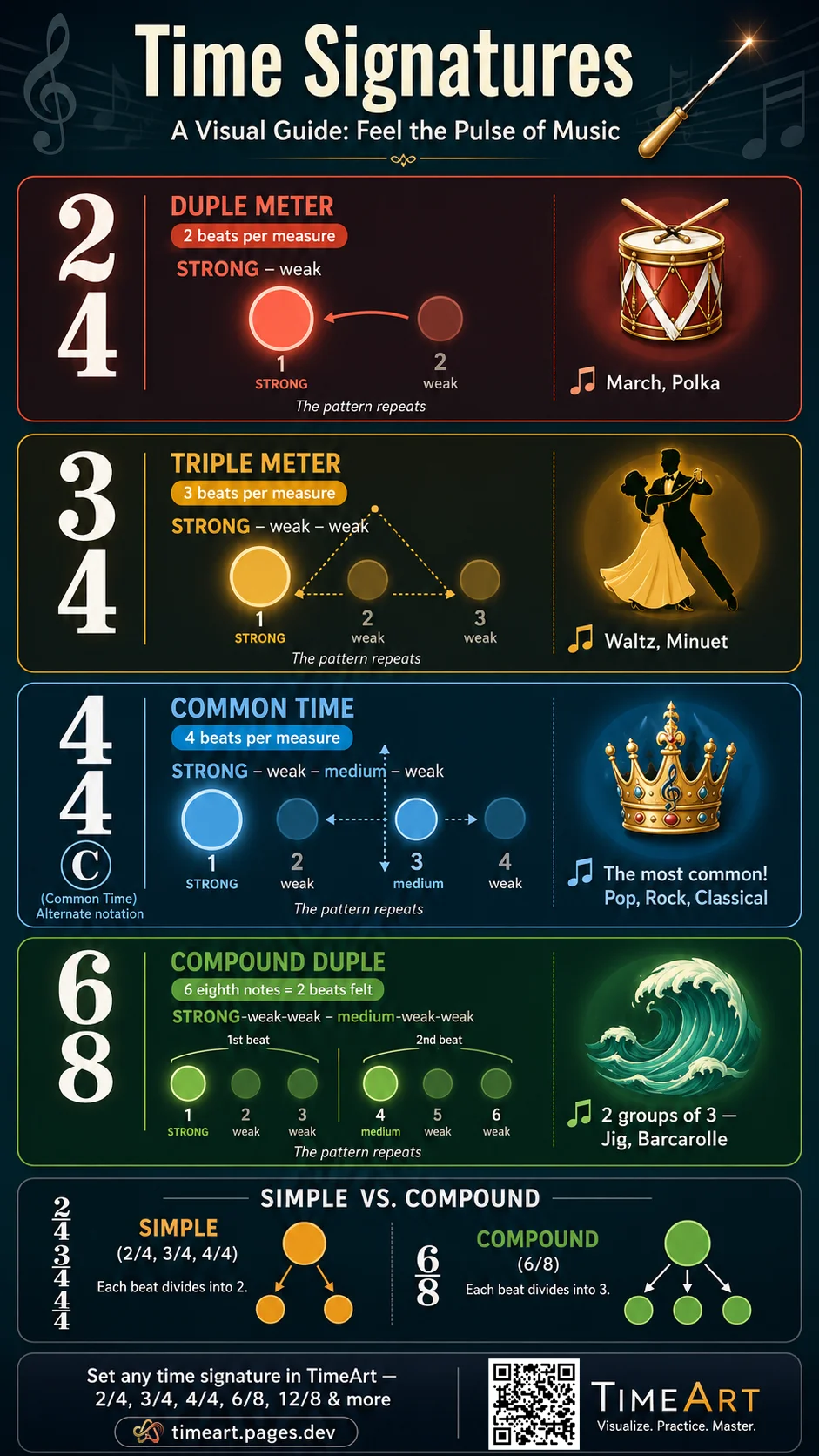
A time signature tells you how many beats per measure and which note gets one beat. Different time signatures create different grooves.
Simple vs Compound
Simple time (2/4, 3/4, 4/4) — each beat divides into two. Compound time (6/8, 9/8, 12/8) — each beat naturally divides into three, giving a swinging feel.
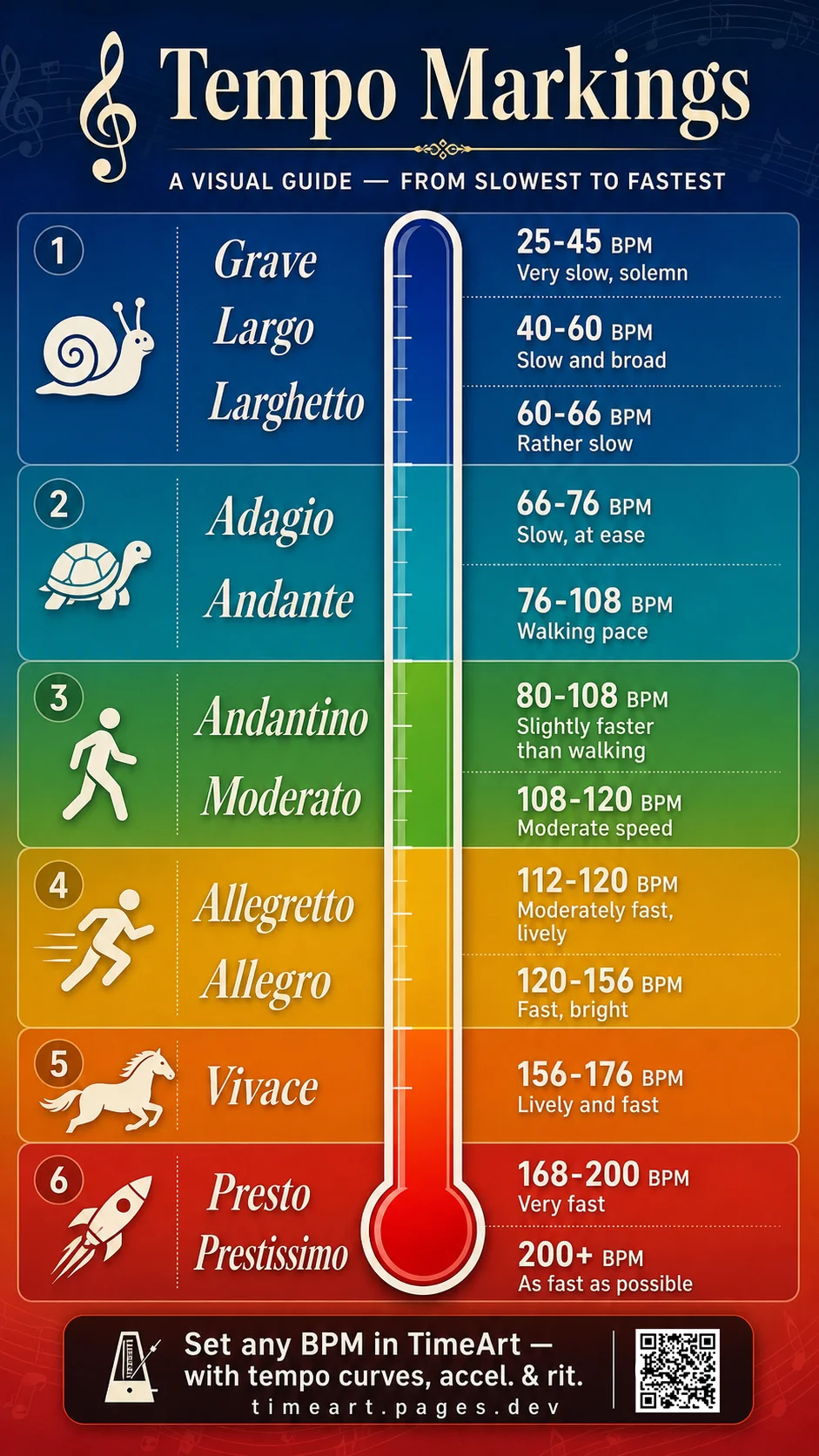
Italian tempo markings range from Grave (very slow) to Prestissimo (as fast as possible), each corresponding to a BPM range.
What Is BPM?
BPM = Beats Per Minute. Andante is roughly walking speed (76–108 BPM), Allegro feels like a brisk jog (120–156 BPM).
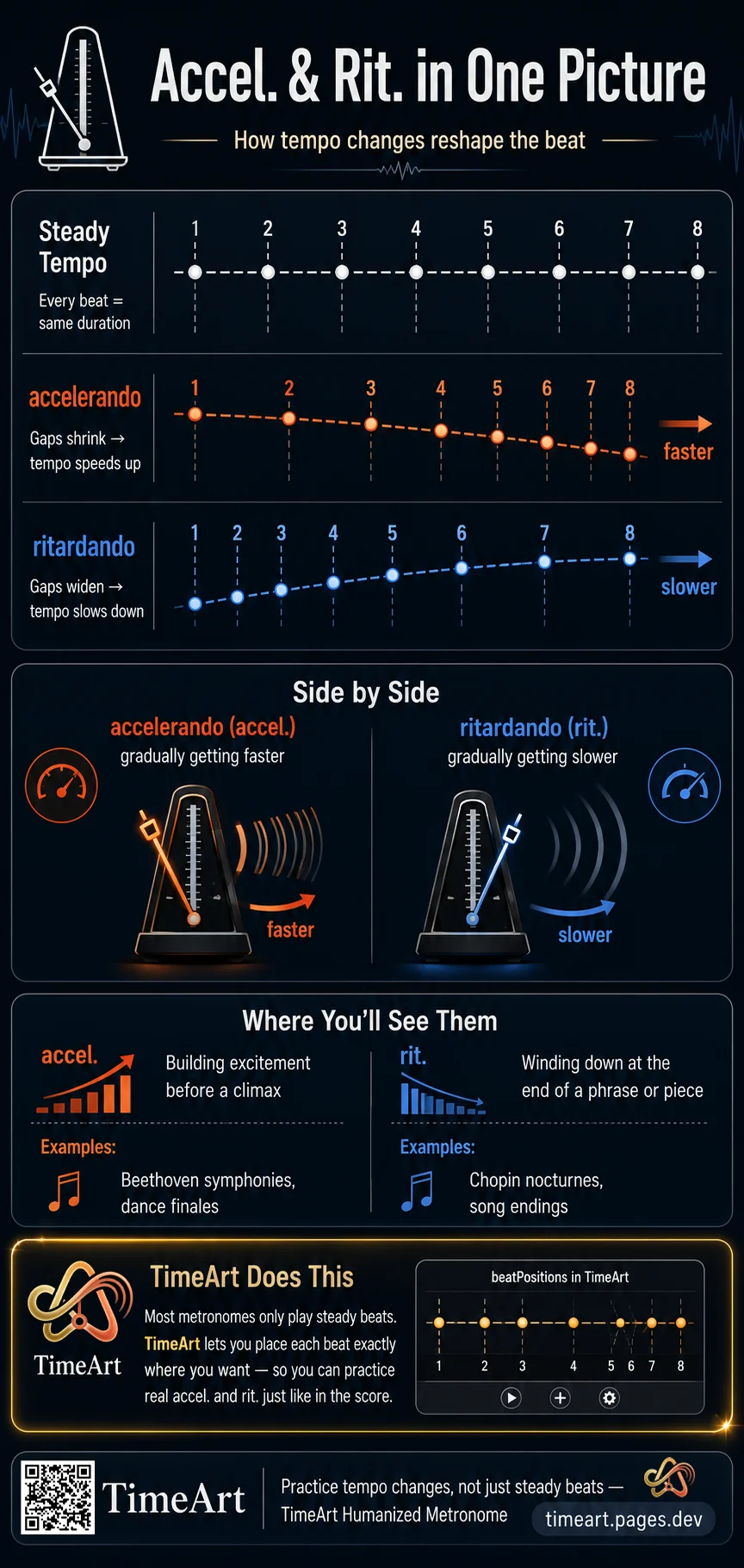
Accelerando (speeding up) and ritardando (slowing down) give music elasticity — like breathing, not mechanical ticking.
TimeArt's Accel. & Rit. Feature
Traditional metronomes only play at a fixed tempo. TimeArt lets you set accel. and rit. within segments, so the metronome follows the score's tempo changes — practice closer to real performance.
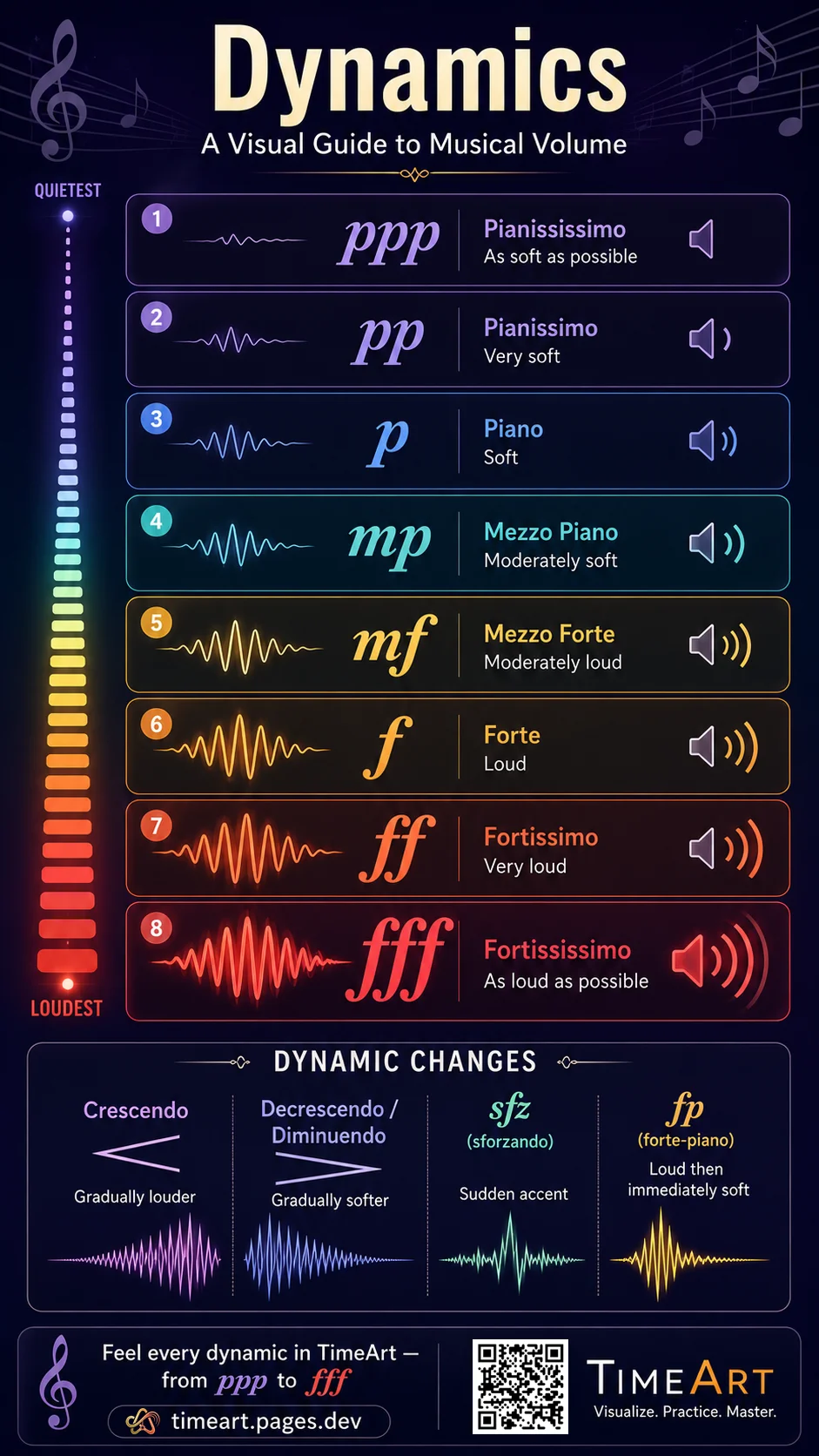
Dynamic markings control volume — from ppp (as soft as possible) to fff (as loud as possible). They are essential tools for musical expression.
Crescendo & Decrescendo
Crescendo gradually opens up the sound, decrescendo gently pulls it back. sfz (sudden accent) and fp (loud then immediately soft) are instant dynamic shifts.
Expression markings tell you "how to play" — not speed or volume, but the emotion and character behind the notes.
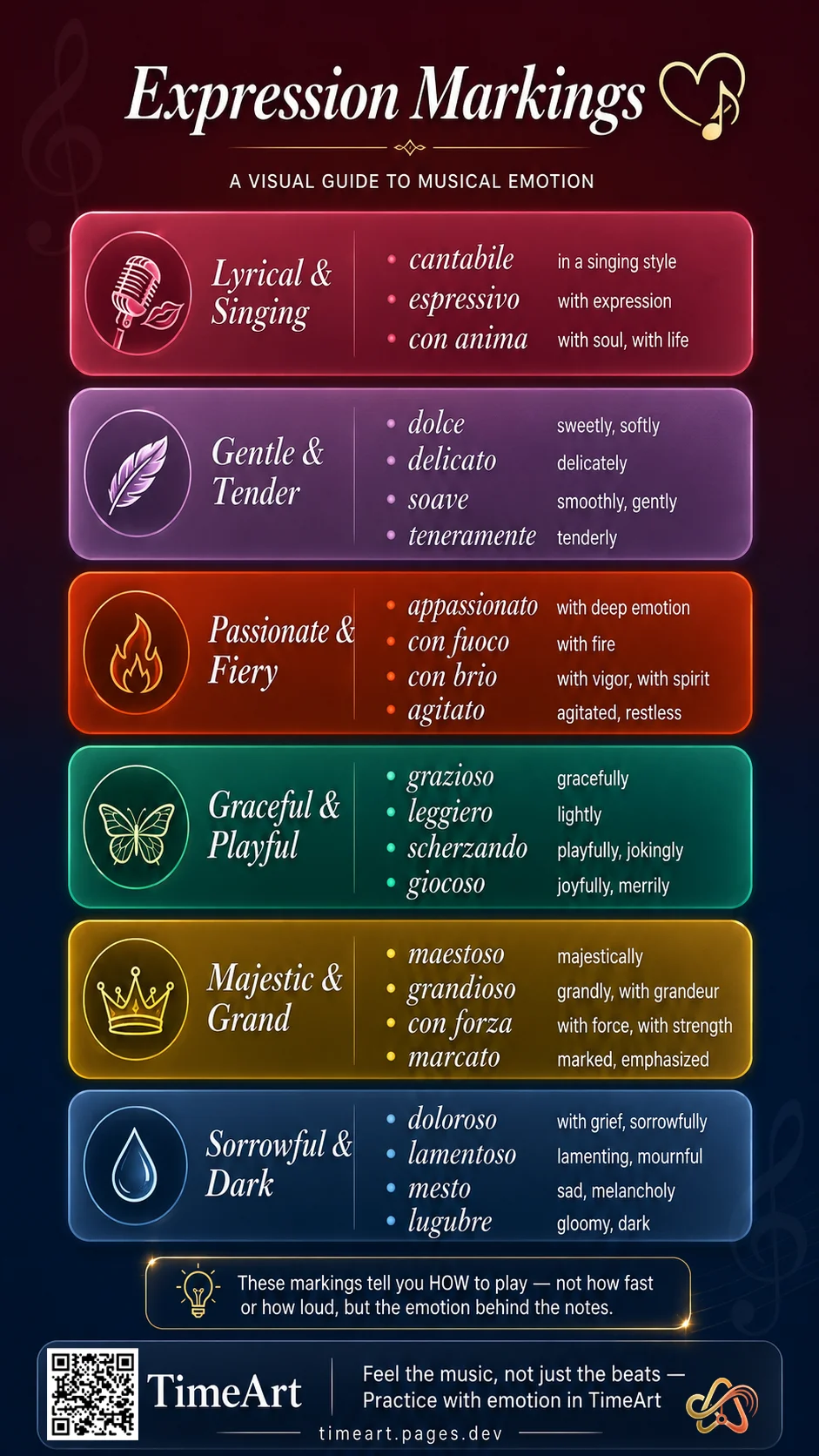
Six Emotional Categories
From cantabile (singing) to agitato (agitated), from dolce (sweetly) to maestoso (majestically). The same melody played with different expression becomes entirely different music.
Repeat signs are the navigation system of a score. Master them to correctly follow a piece from start to finish.
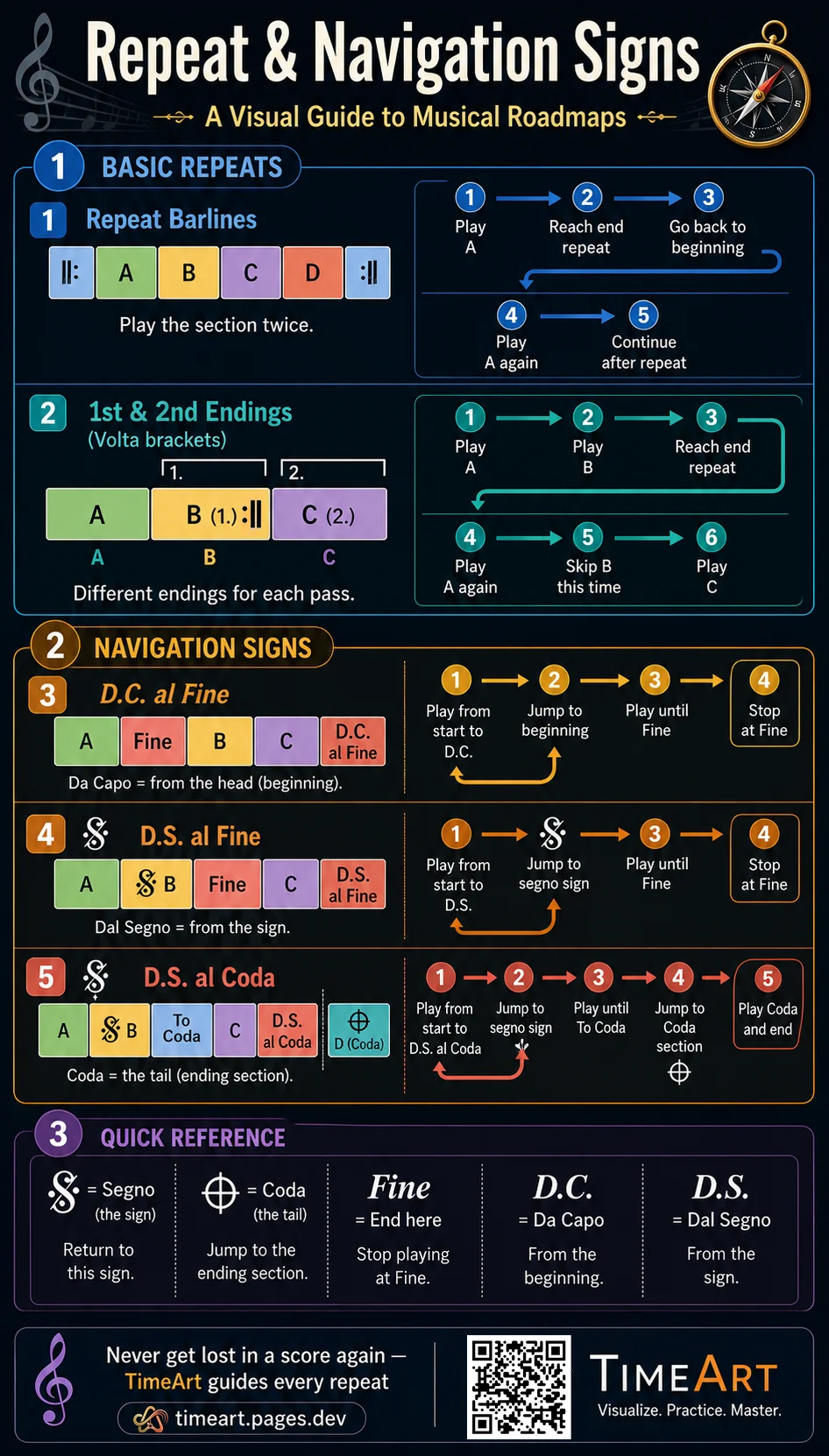
D.C. vs D.S.
D.C. al Fine = go back to the beginning, play until "Fine." D.S. al Coda = jump back to the sign, play until "To Coda," then skip to the coda. Remember: D.C. goes to the start, D.S. goes to the sign.
Bowing determines the tone color and expression of string instruments. Different bow strokes produce vastly different effects from the same note.
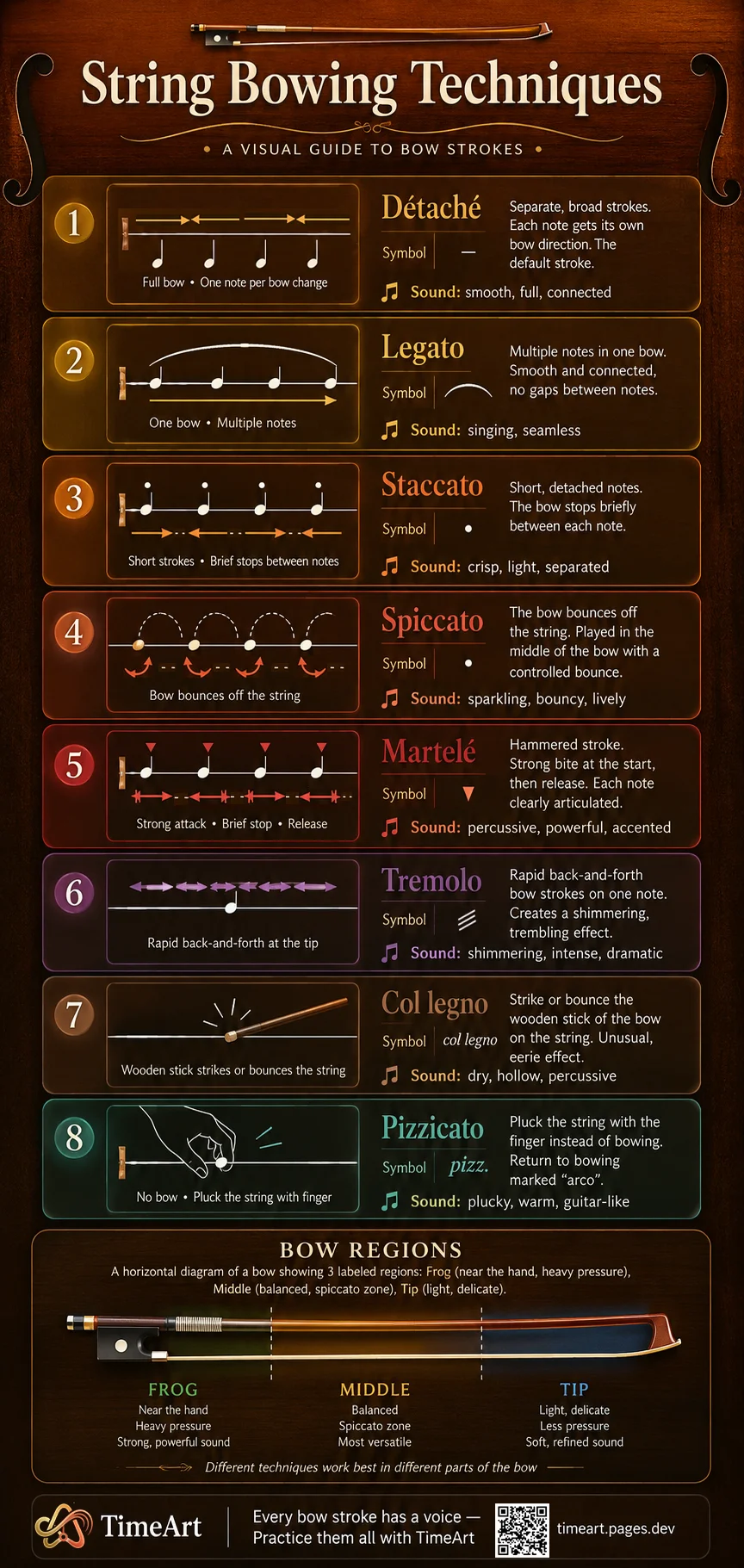
The Four Essential Bow Strokes
Detache — one note per bow, the most basic stroke. Legato — multiple notes in one bow, smooth and connected. Staccato — short, crisp, and bouncy. Spiccato — the bow bounces off the string.
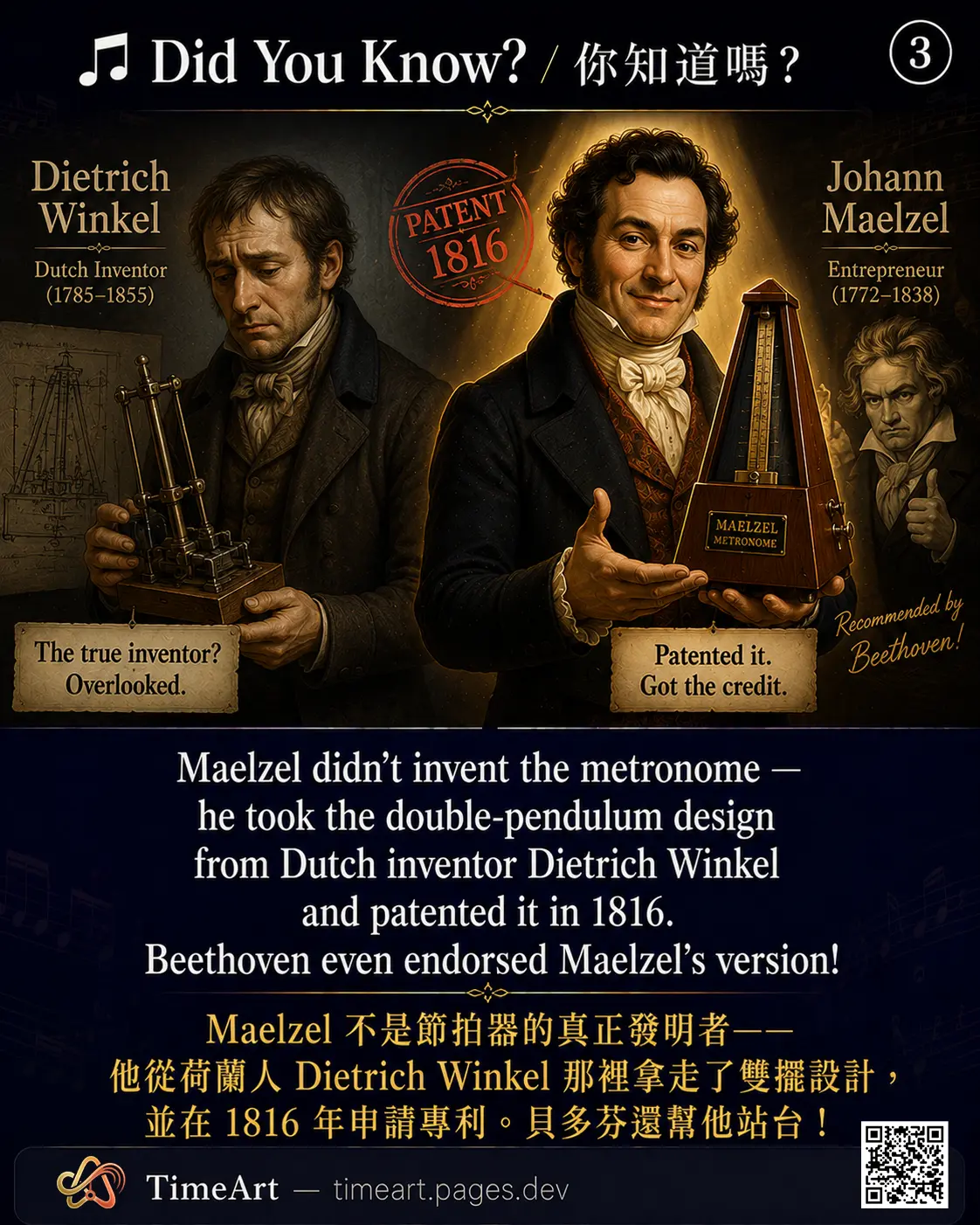
Before the "tick-tock," how did musicians keep time? From Maelzel's 1816 invention to today's digital metronomes — a fascinating evolution.
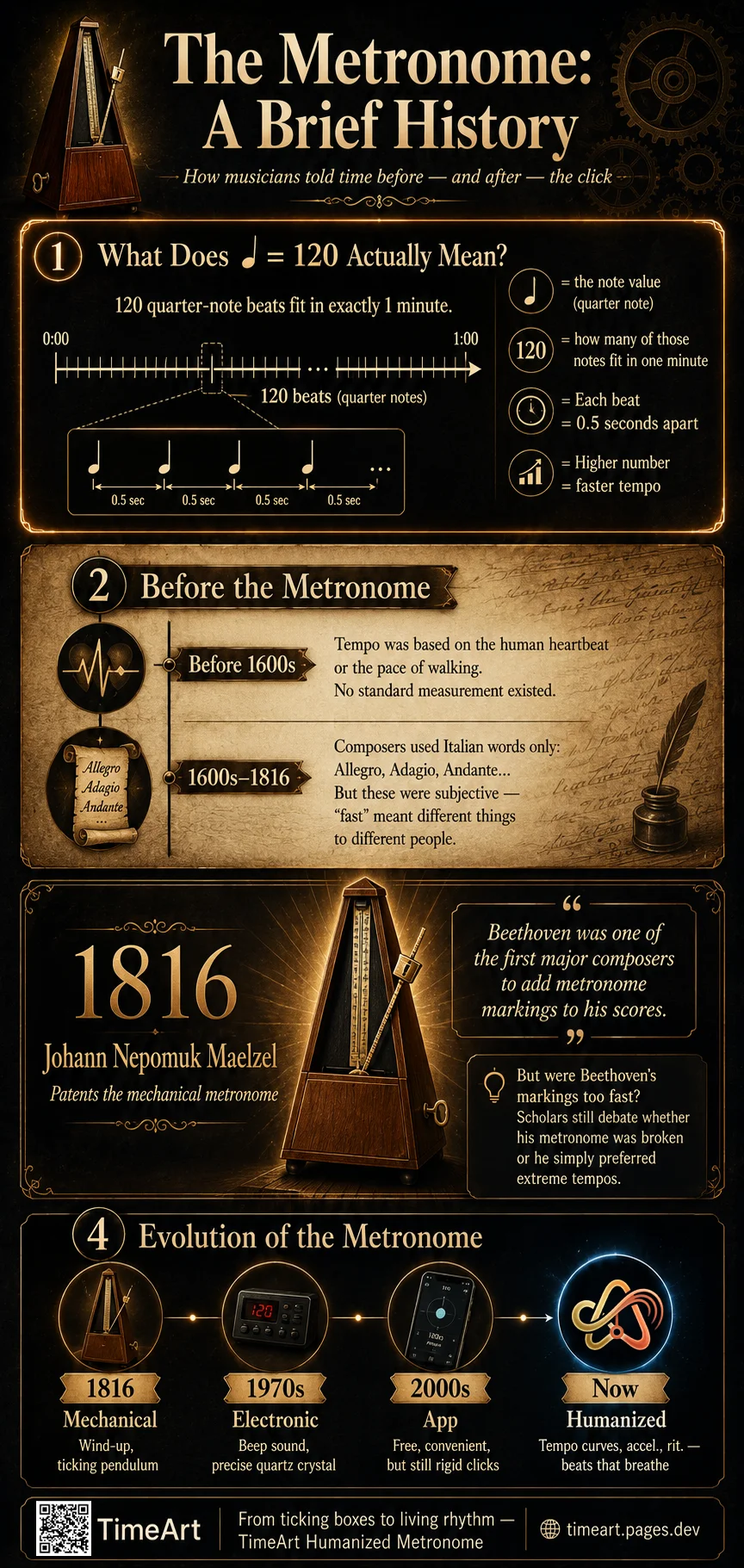
What Does ♩ = 120 Mean?
It means 120 quarter-note beats per minute — each beat lasts 0.5 seconds. This notation has been in use since Maelzel invented the mechanical metronome, over 200 years ago.
Musical form is the blueprint of a composition. Understanding common forms helps you follow the "story" of any piece.
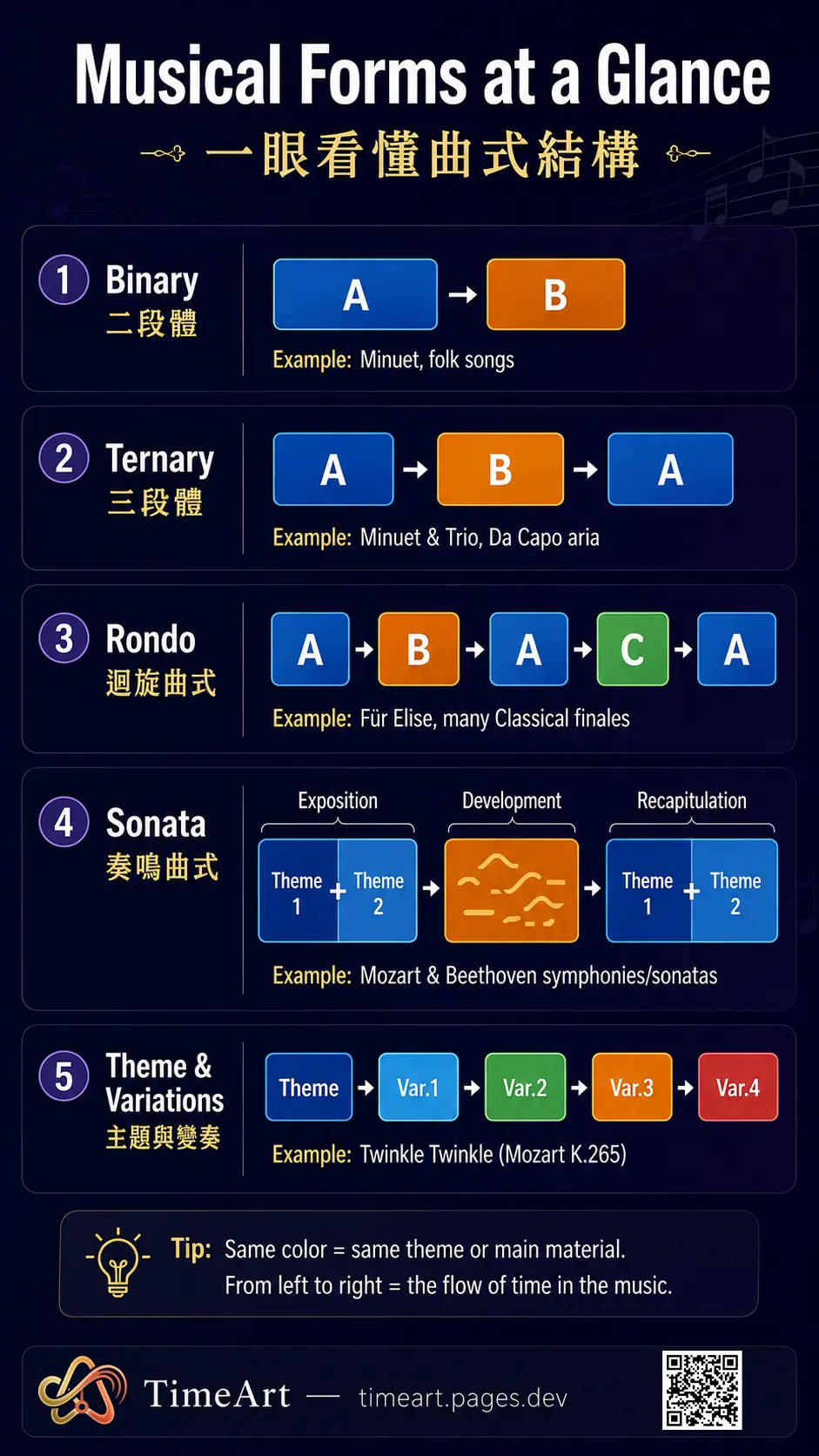
Five Basic Forms
Binary (AB) is the simplest — think minuets. Ternary (ABA) mirrors itself like a sandwich. Rondo (ABACA) weaves a recurring theme with contrasting episodes. Sonata form has exposition, development, and recapitulation. Theme & Variations transforms one idea in countless ways.
Articulation marks tell you "how to play each note" — short, sustained, accented, or smooth? A tiny symbol can change the entire character of the music.
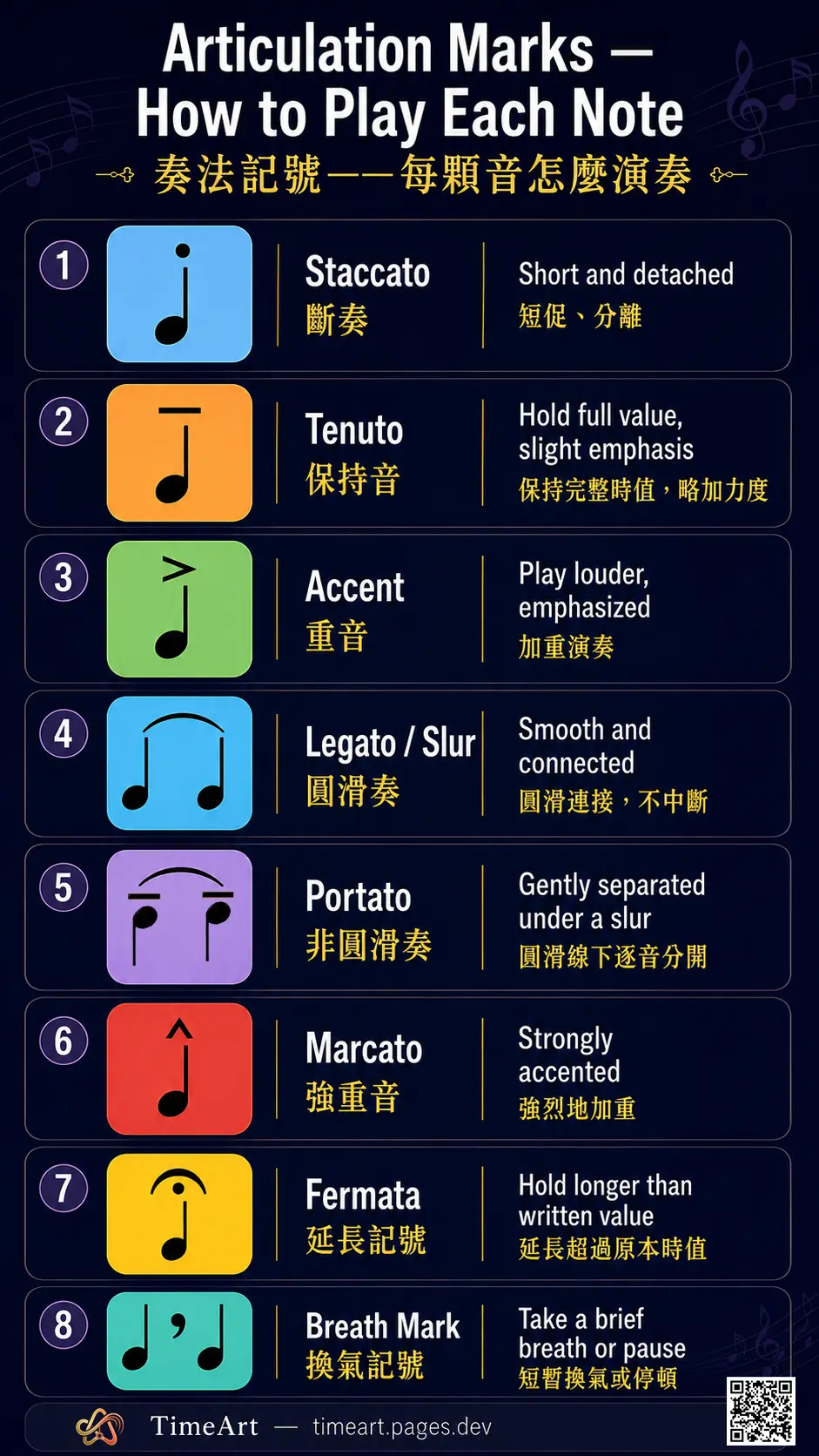
The Most Common Articulations
Staccato — short and detached. Tenuto — hold full value with slight emphasis. Accent — play louder, emphasized. Legato — smooth and connected. Fermata — hold longer than the written value.
How do great conductors interpret the same piece at vastly different speeds? Tempo is not just fast or slow — it reflects a musical vision.
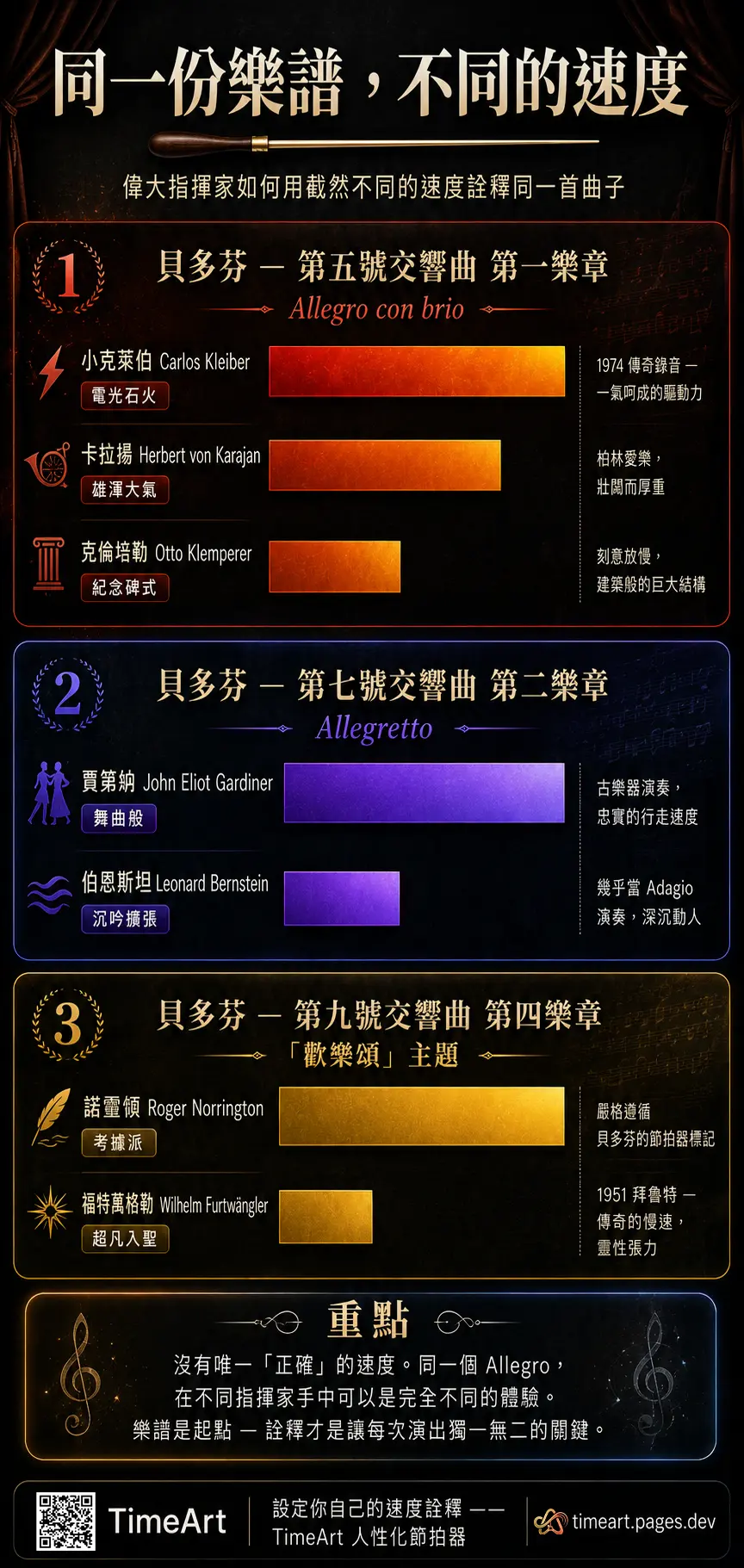
Tempo Is Part of Interpretation
Beethoven's symphonies can differ by over 50% in tempo between conductors. Carlos Kleiber's Fifth is swift and electric, while Otto Klemperer's is weighty and monumental. There is no single "correct" tempo — that's the beauty of music.
Practice time is limited — method matters more than hours. Change these 6 habits and double your efficiency.
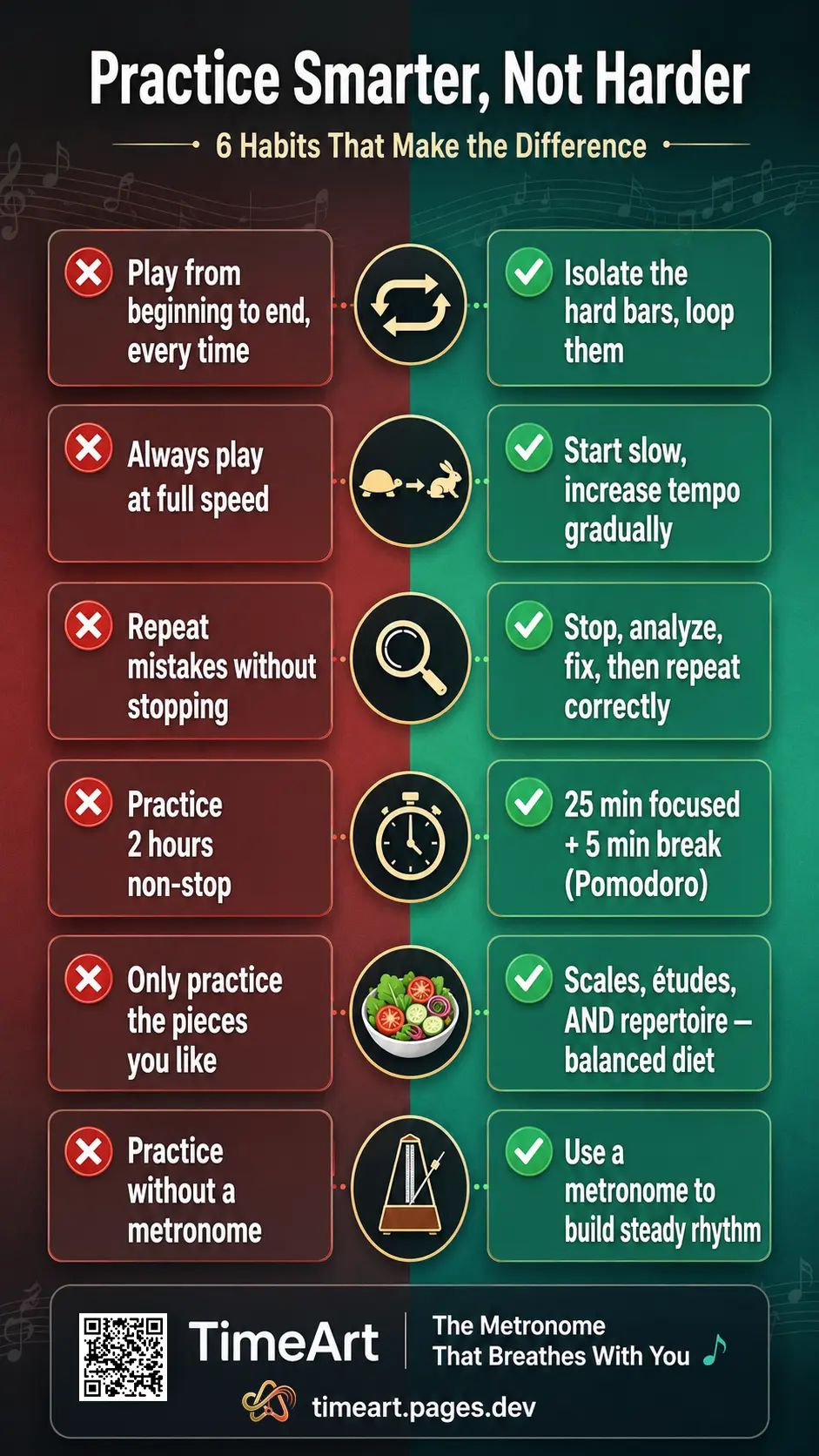
Your Metronome Is Your Practice Partner
Starting slow and gradually increasing tempo is the most effective strategy. With TimeArt's metronome, you can set accelerando passages that safely ramp you up from slow to target speed — no more mindless grinding.
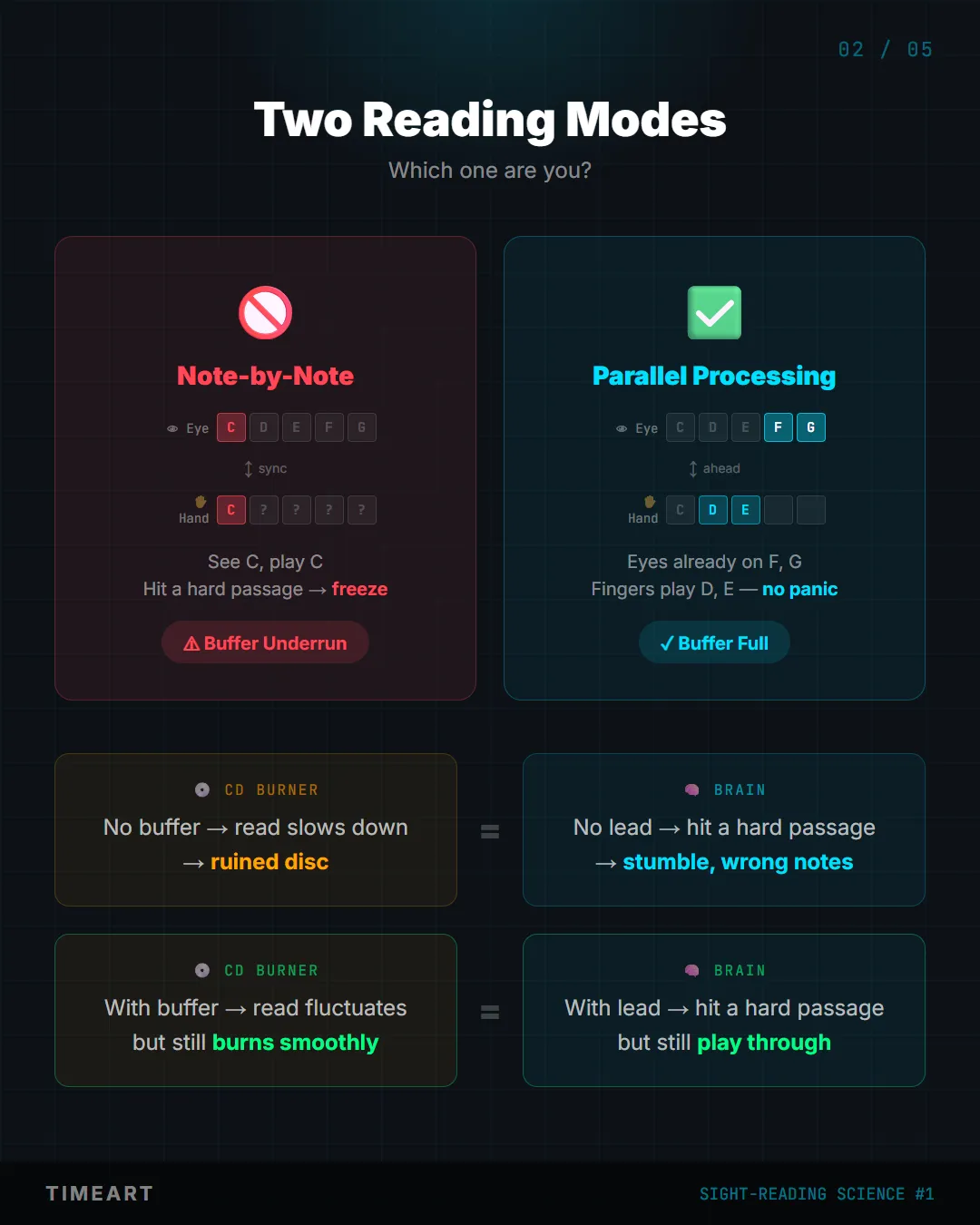
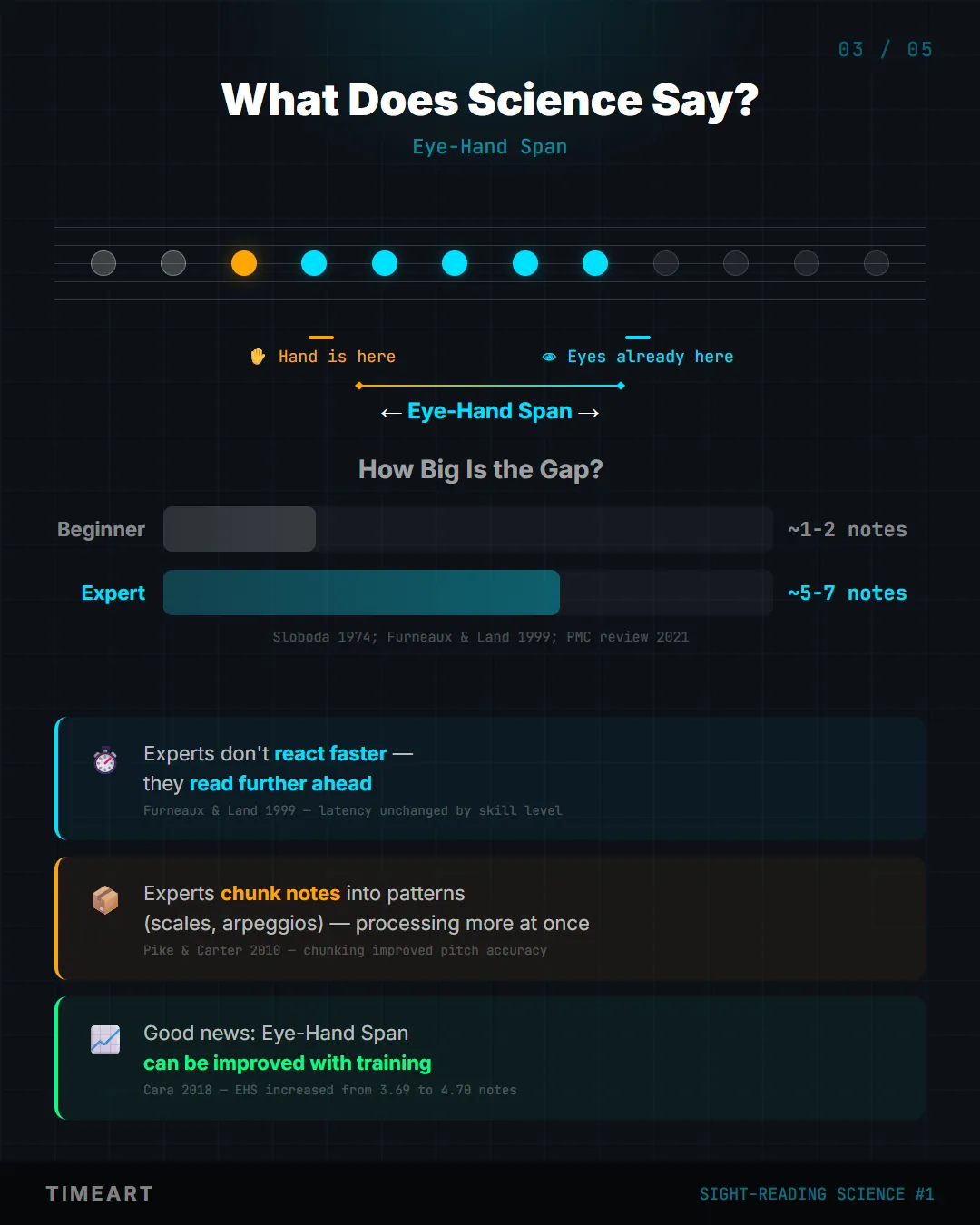
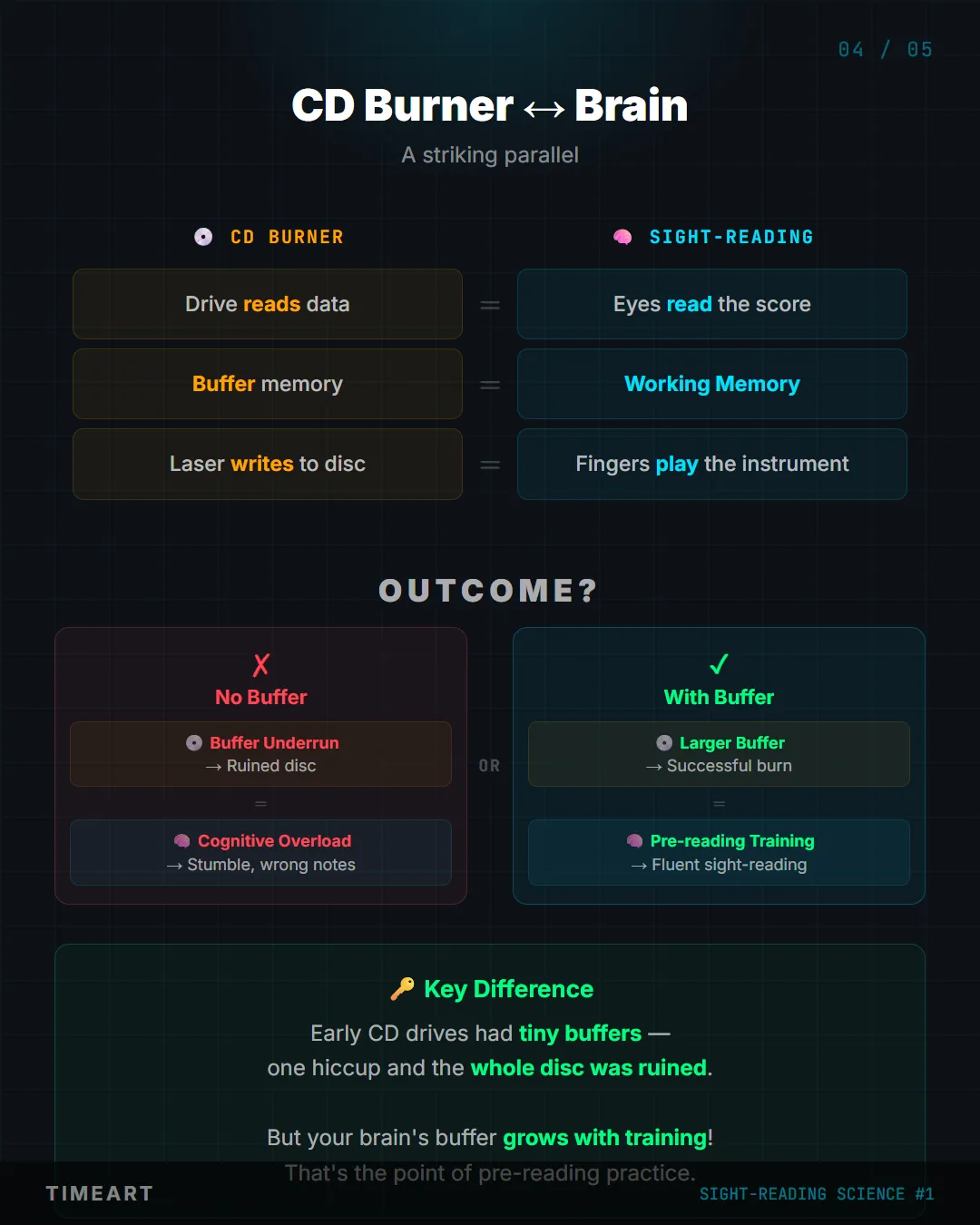
The moment you stumble while sight-reading feels exactly like a Buffer Underrun in early CD drives. Science shows that experts don't react faster — they read further ahead. And the good news: this skill is trainable.

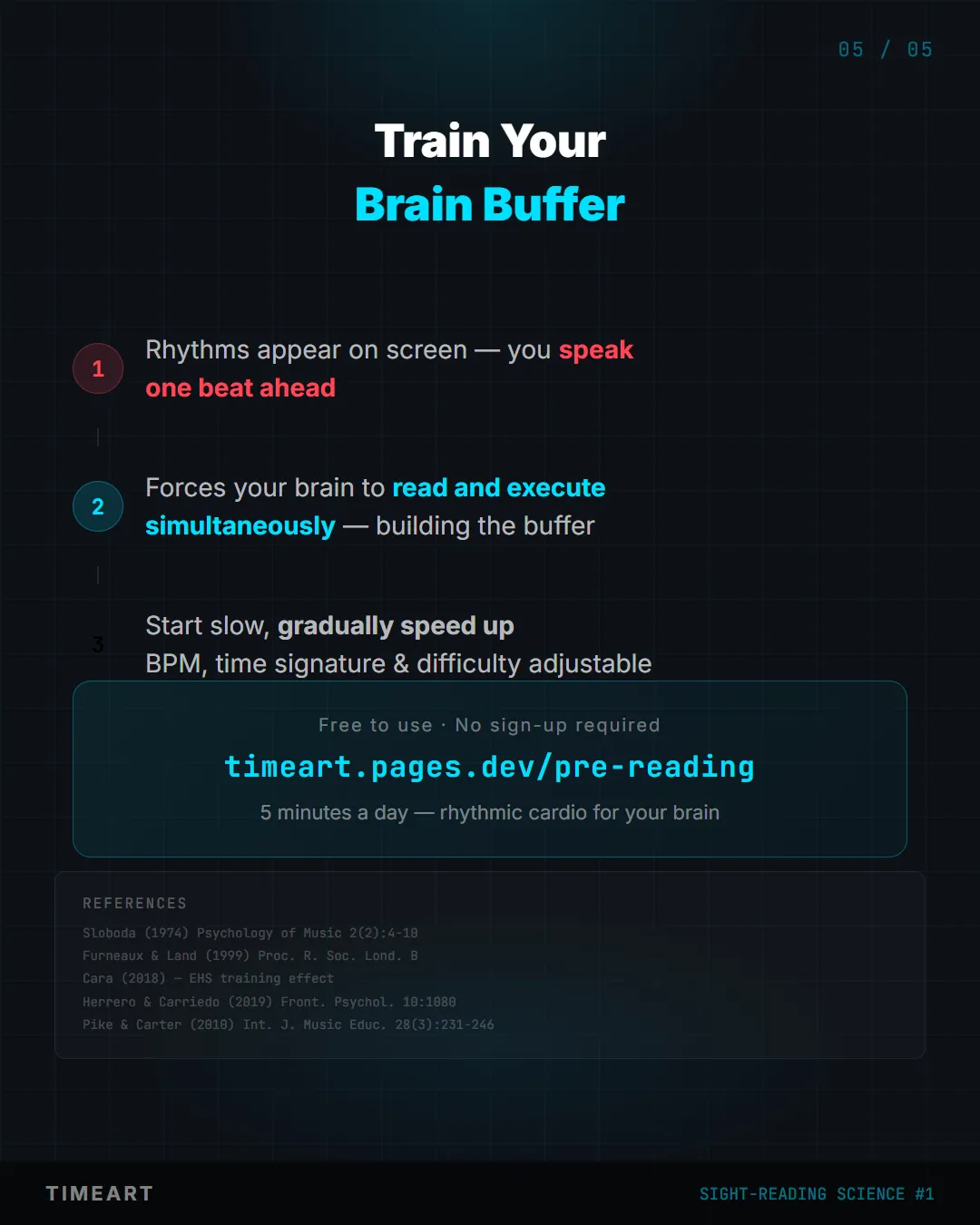
Train Your Brain Buffer
The Pre-Reading Trainer gives you 5 minutes a day of brain training — forcing simultaneous reading and execution to build the buffer between your eyes and hands. BPM, time signature, and difficulty are all adjustable. Free, no sign-up required.
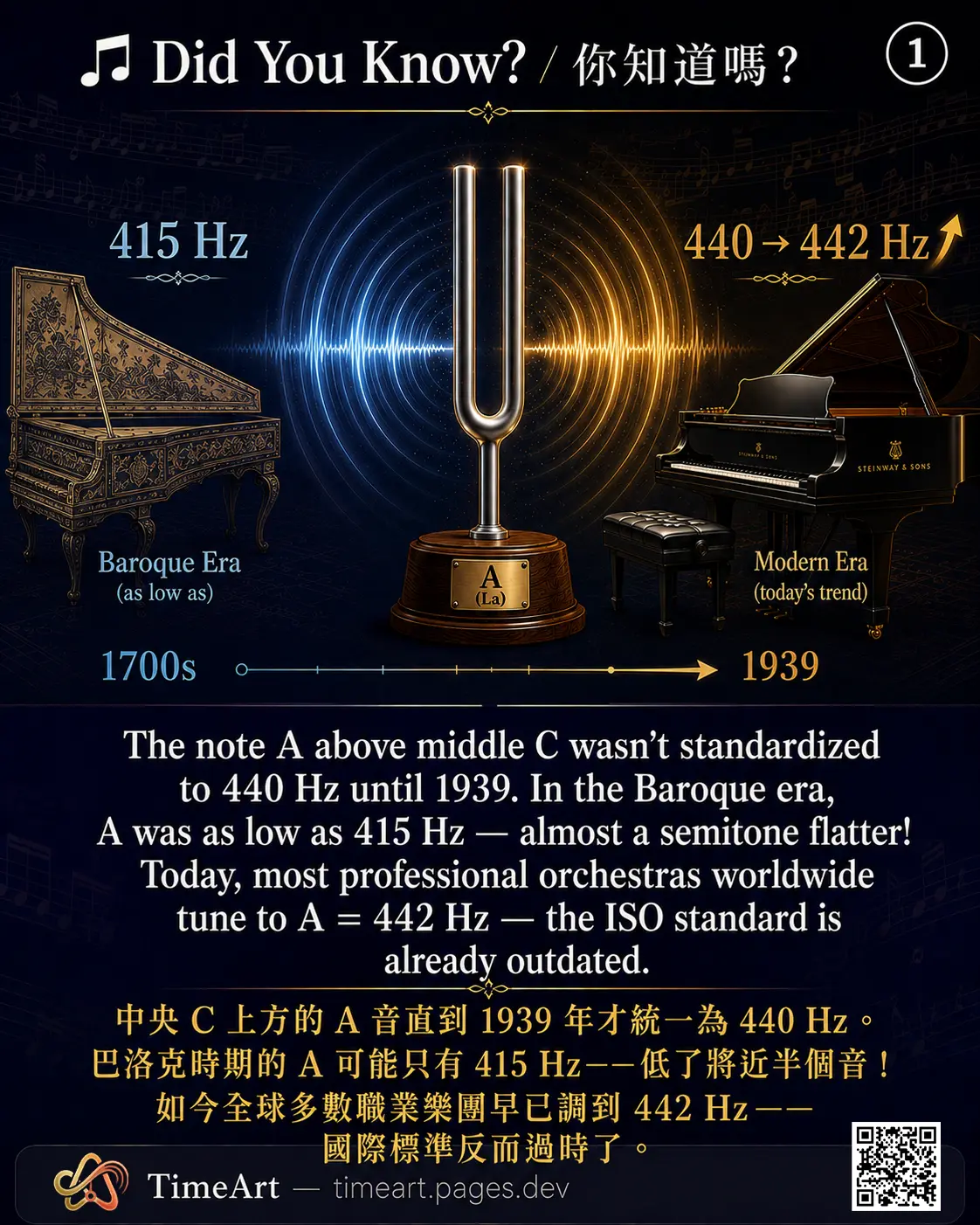
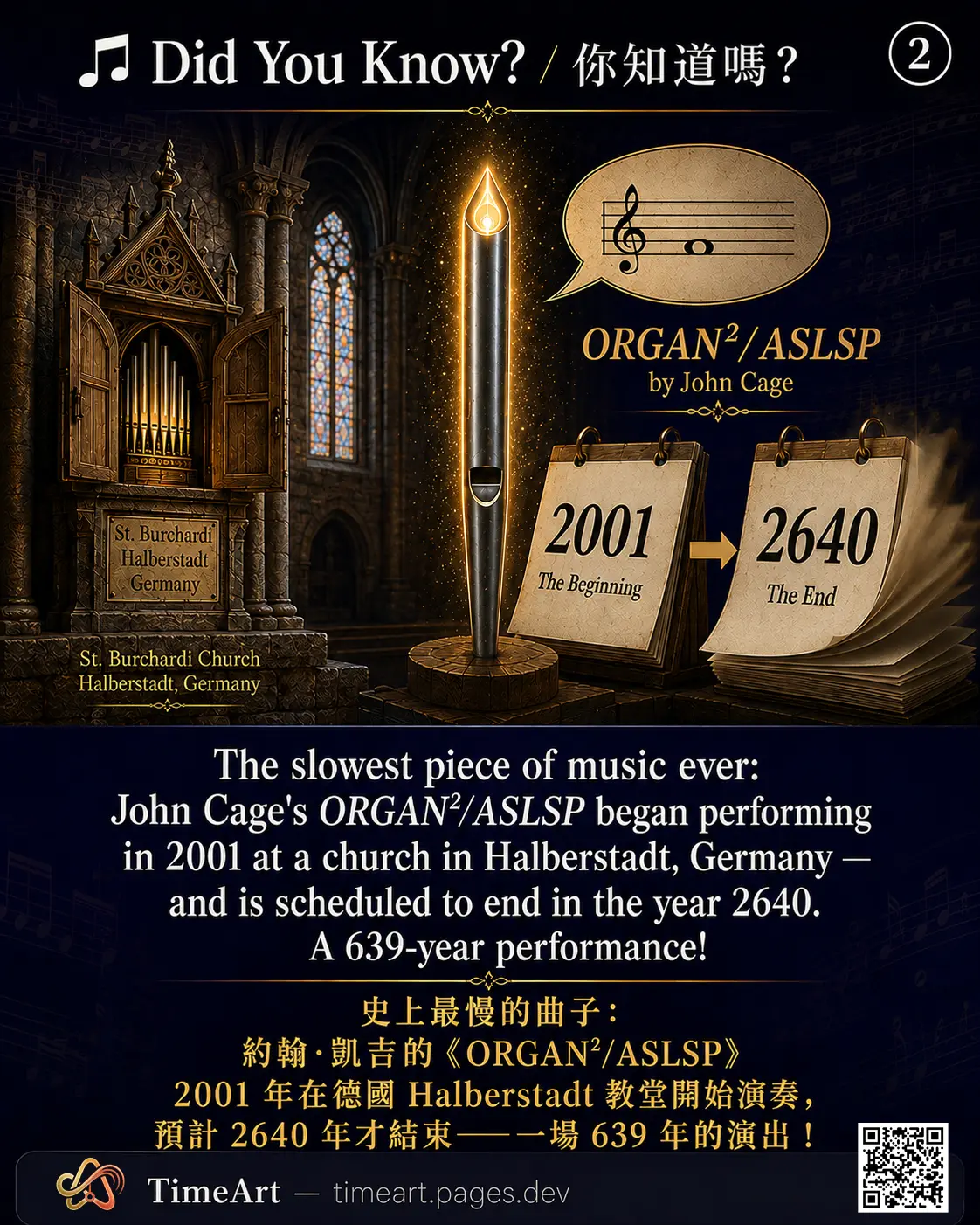
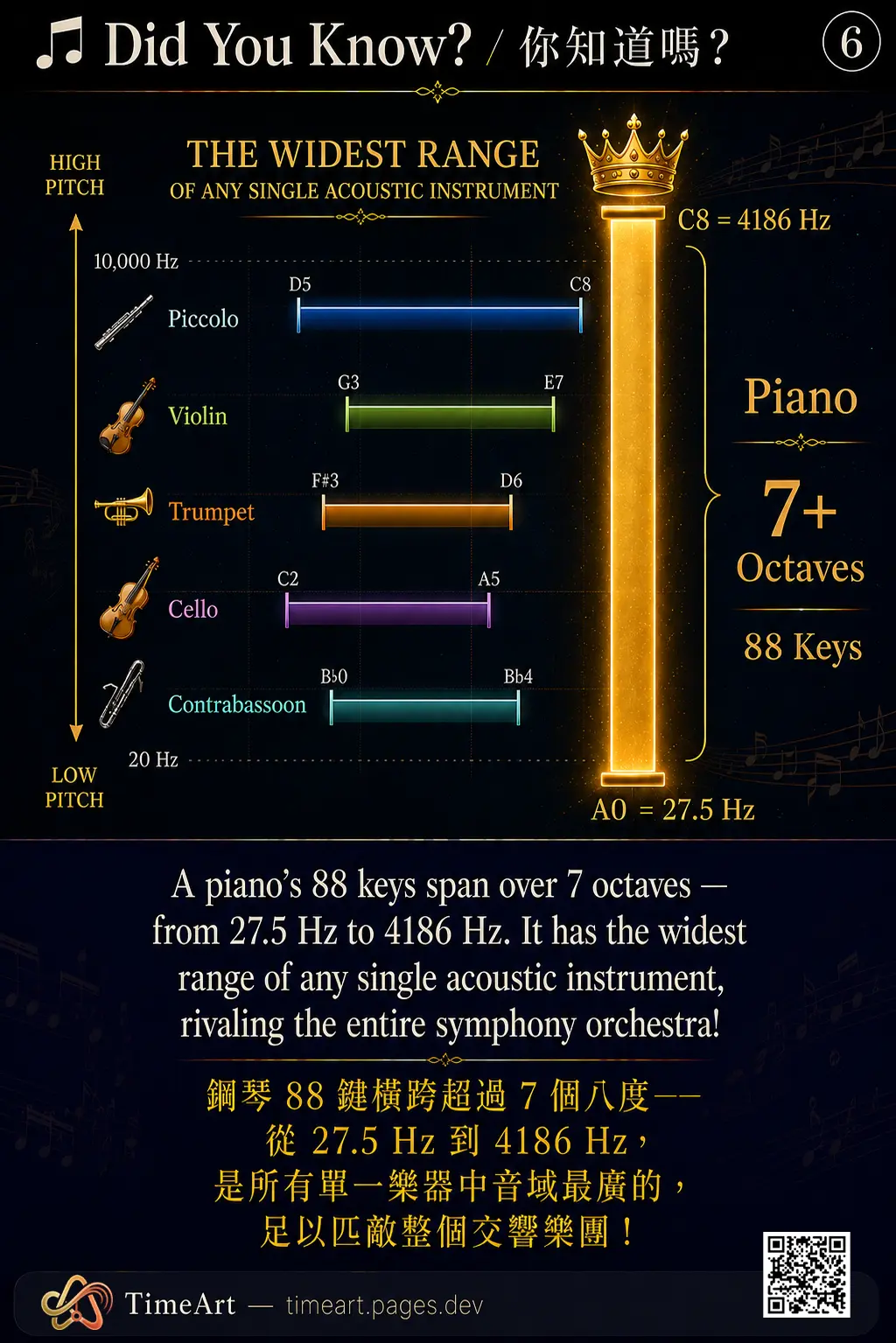
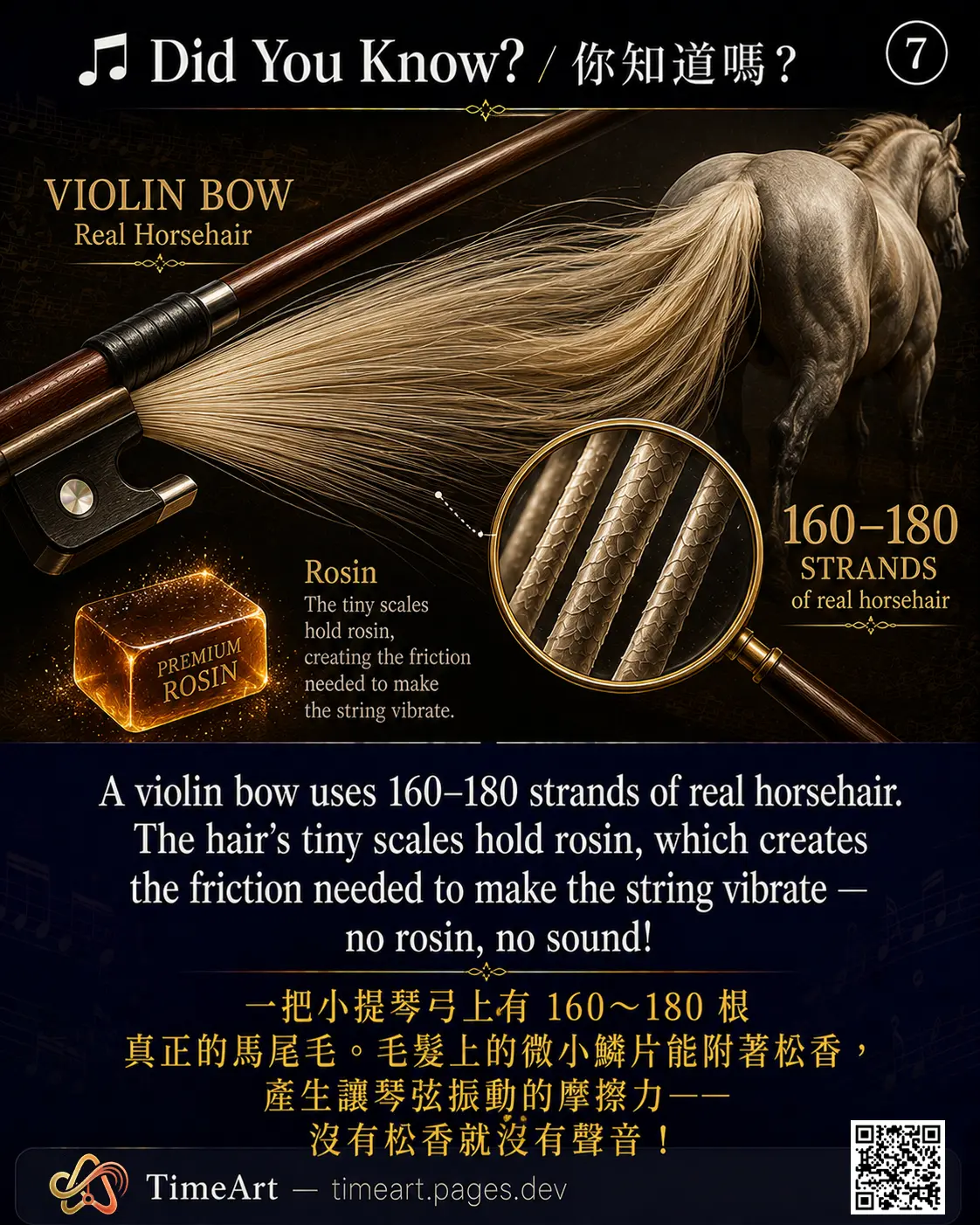
The world of music is full of surprising stories. Here are some fascinating facts you might not know.



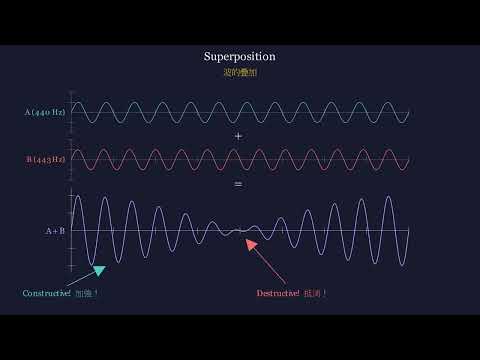
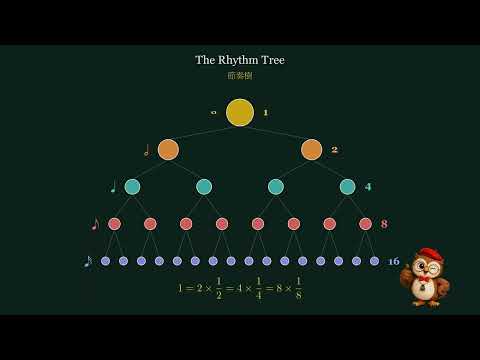
Math and science behind music, explained through animation. Click a thumbnail to watch on YouTube.
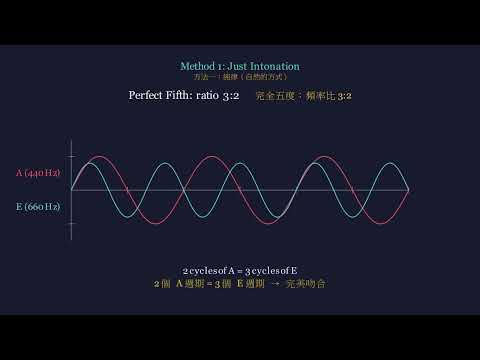
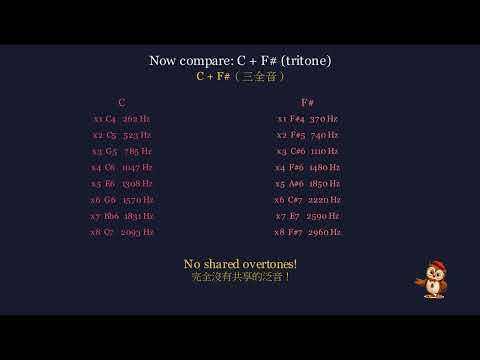
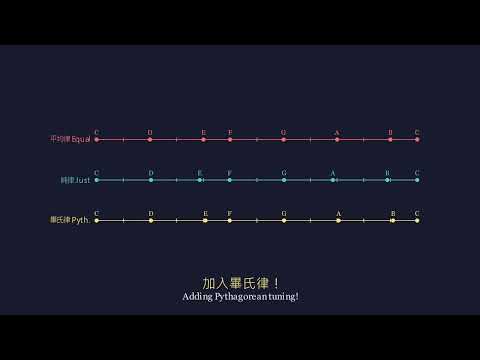
More topics coming